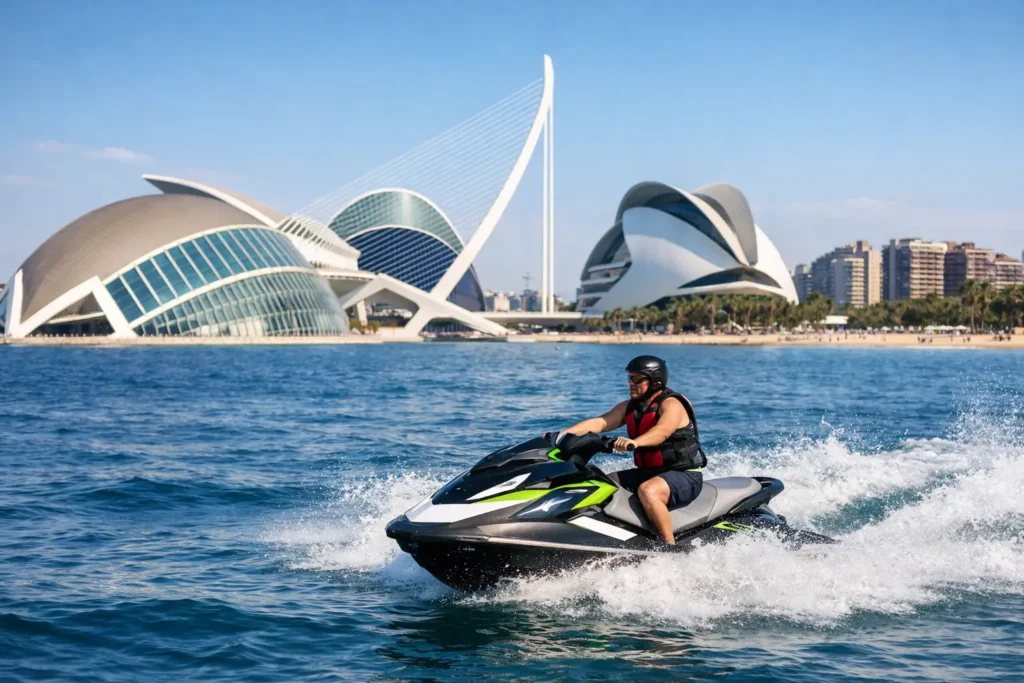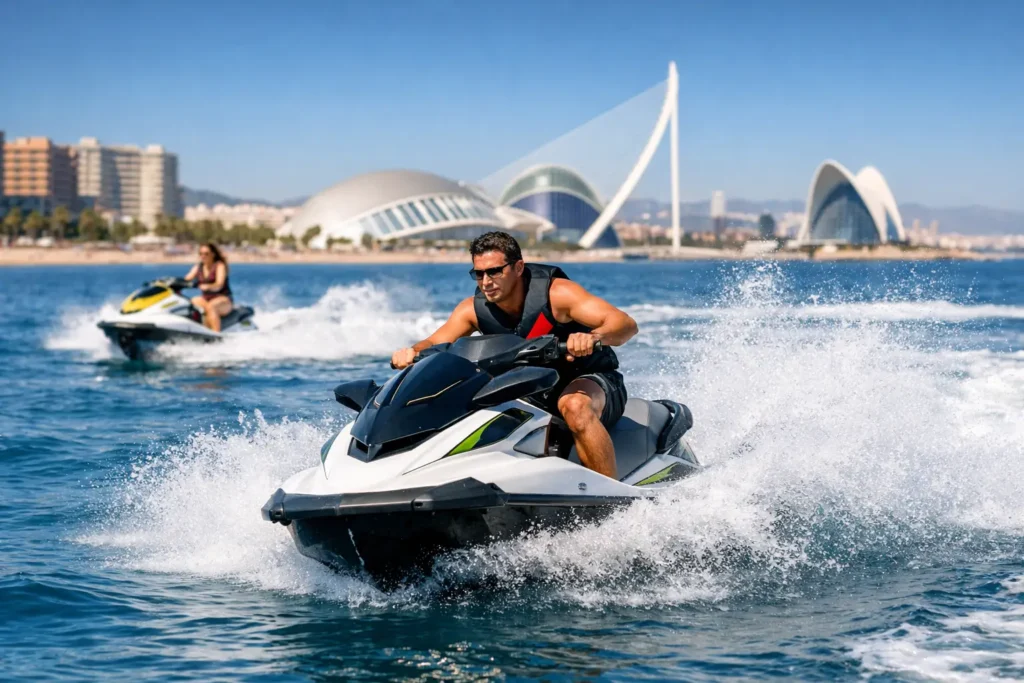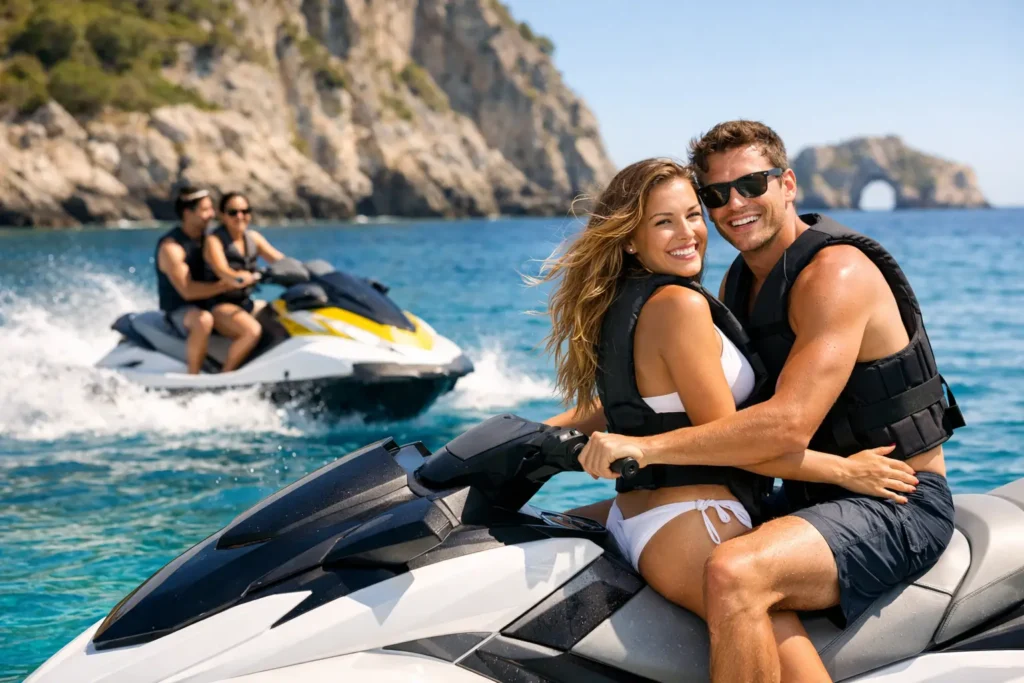
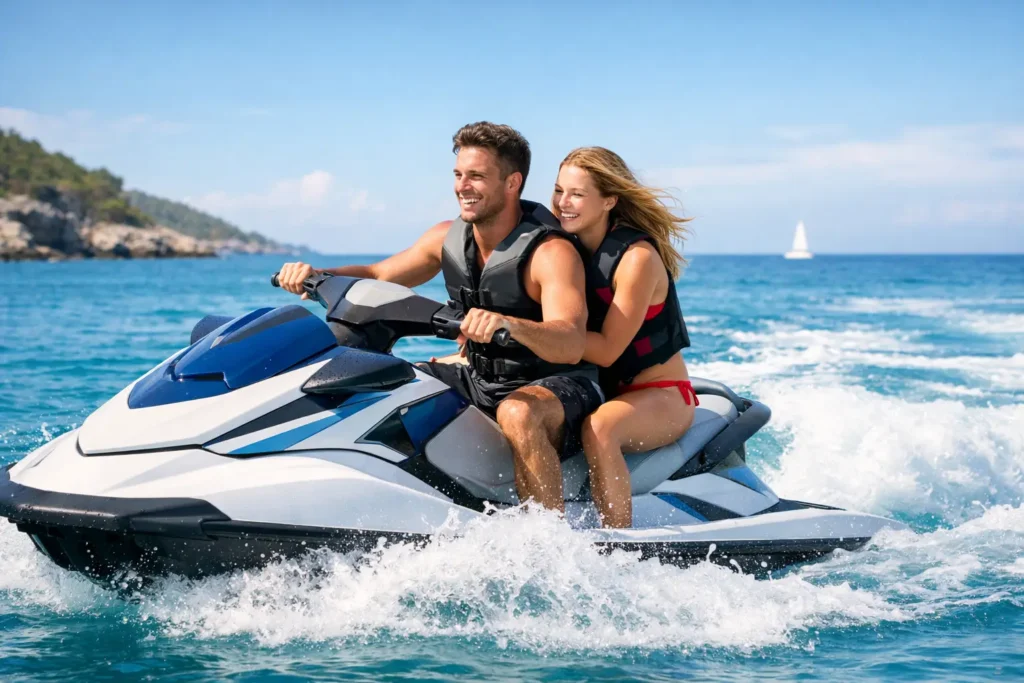
En los primeros segundos se nota quién llega esperando el caos y quién llega listo para disfrutarlo. La mayoría de los principiantes se preguntan lo mismo antes de subir a la plataforma: ¿son difíciles las motos acuáticas? La respuesta sincera es no, no para la mayoría de la gente, pero sí requieren respeto, una clara explicación de seguridad y unos minutos para acostumbrarse a la sensación de la máquina en aguas abiertas.
Esa es la verdadera diferencia. Las motos acuáticas no suelen ser tan difíciles como la gente imagina. No son como aprender a navegar, ni tan técnicas como temen muchos principiantes. Lo que suele complicar las cosas no es la complejidad, sino la confianza, el control del acelerador, el equilibrio a baja velocidad y la comprensión de que el agua siempre está en movimiento bajo tus pies.
¿Es difícil aprender a manejar motos acuáticas?
Para la mayoría de los principiantes, aprender a manejar una moto acuática es sorprendentemente fácil. Si mantienes la calma, escuchas con atención y sigues las instrucciones, normalmente te acostumbrarás rápidamente. Los controles son sencillos: solo tienes que manejar el manillar, el acelerador, la posición del cuerpo y estar atento al espacio que te rodea.
Lo que hace que la experiencia parezca sencilla es que las motos acuáticas modernas están diseñadas para ser estables, ágiles y fáciles de manejar cuando reciben un mantenimiento profesional y se utilizan en las condiciones adecuadas. Lo que las hace más difíciles es cuando los pilotos intentan tratarlas como juguetes en lugar de como máquinas de alto rendimiento.
Hay un punto óptimo para quienes se inician en el motocross. No se necesita experiencia para disfrutarlo, pero sí es fundamental abordarlo correctamente. Empiece con calma. Gane confianza. Luego, cuando las condiciones y el guía lo permitan, aumente la velocidad.
¿Qué es lo que realmente resulta difícil en una moto acuática?
La parte más difícil rara vez es la velocidad. A la mayoría de la gente le encanta una vez que se acostumbra. Lo más complicado son los primeros momentos a baja velocidad, sobre todo al ajustar el equilibrio o al girar suavemente para alejarse del puerto deportivo.
Hay algunas cosas que pueden hacer que un principiante se sienta un poco incómodo al principio.
Manejo a baja velocidad
Las motos acuáticas se comportan de forma diferente a los coches. En el agua, no hay una carretera debajo, y el movimiento se siente más suelto. A baja velocidad, algunos pilotos se tambalean un poco mientras se acostumbran al movimiento de la moto acuática. Es normal.
Girando correctamente
Muchos principiantes no se dan cuenta de que una moto acuática necesita acelerador para maniobrar con eficacia. Si se suelta el acelerador por completo e intentas girar bruscamente, la respuesta puede ser menor de lo esperado. Este es uno de los primeros aspectos que debe abordarse en una buena sesión informativa.
Agua agitada
Navegar en aguas tranquilas resulta fácil. En aguas más agitadas, el recorrido se vuelve más exigente físicamente. Es posible que necesites flexionar más las rodillas, absorber el movimiento con el cuerpo y mantenerte relajado en lugar de rígido. Esto no significa que sea difícil, sino que las condiciones importan.
Coordinación de pasajeros
Conducir solo suele ser más fácil que con pasajero cuando se es principiante. Con dos personas, el equilibrio cambia durante los giros y la aceleración. Aún es posible, pero ambos deben moverse con naturalidad al ritmo de la moto acuática, en lugar de ir en contra de ella.
Por qué los principiantes suelen obtener mejores resultados de lo que esperan.
La gente suele llegar pensando que tendrá dificultades, pero luego se va con ganas de repetir la sesión. Esto sucede porque la curva de aprendizaje es corta. Una vez que se entienden los controles y se siente cómo responde la máquina, los nervios suelen desaparecer.
La otra razón es que el esquí acuático es instintivo. No hay que memorizar pasos complicados; simplemente se reacciona, se ajusta y se disfruta del paseo. Con un buen operador, el proceso está diseñado para que uno se sienta en control rápidamente.
Esto es especialmente cierto en las experiencias guiadas, donde no te dejan solo para que te las apañes. Una buena explicación, reglas claras, equipo de calidad y supervisión profesional eliminan la mayor parte del estrés. Puedes concentrarte en lo divertido: surcar las aguas abiertas, sentir la aceleración y contemplar la costa desde una perspectiva completamente diferente.
¿Es difícil manejar una moto acuática si nunca has practicado deportes acuáticos?
No necesariamente. No necesitas tener experiencia en navegación, surf o vela para disfrutar de una moto acuática. De hecho, mucha gente la prueba por primera vez en vacaciones sin ninguna experiencia en deportes acuáticos y se desenvuelve muy bien.
Ser atlético ayuda un poco, sobre todo en aguas turbulentas, pero no es el factor decisivo. La serenidad importa más que la condición física. Si puedes escuchar, mantenerte alerta y evitar corregir en exceso, ya estás en una buena posición.
Dicho esto, depende del piloto. Si alguien se pone muy nervioso cerca del agua, no le gusta la velocidad o le cuesta relajarse bajo presión, los primeros minutos pueden resultar más intensos. Normalmente, esa sensación desaparece una vez que se dan cuenta de que la máquina es manejable y que el entorno está bajo control.
Cómo hacer que tu primer viaje sea fácil
Si quieres que tu primera sesión sea fluida en lugar de intimidante, el enfoque es importante.
Escucha la información como si importara, porque importa. Los mejores paseos empiezan antes de que arranque el motor. Bien. guía de seguridad Cubre el control del acelerador, la distancia entre ejes, los giros, la postura de conducción y qué hacer en caso de caída. Esto elimina la incertidumbre rápidamente.
Acelera con menos fuerza de la que te dictaría tu instinto. Los pilotos principiantes a veces aceleran demasiado pronto y se ponen tensos. Una aceleración suave te da más control y confianza.
Mantén el cuerpo relajado. Un ciclista rígido se mueve más. Las rodillas flexionadas y los brazos relajados facilitan el paseo, sobre todo si el mar está algo agitado.
Mira hacia donde quieres ir. Parece sencillo, pero ayuda. Si te quedas mirando la parte delantera de la moto acuática o te concentras en las olas pequeñas, todo parecerá más ajetreado. Levanta la vista y sigue adelante.
Si eres montando en pareja, Comunícate antes de salir. El pasajero debe sujetarse correctamente, mantenerse centrado e inclinarse junto con el conductor en lugar de cambiar de peso de forma impredecible.
Miedos comunes de los motociclistas novatos
El mayor temor suele ser perder el control. En realidad, cuando la sesión se desarrolla correctamente y la moto acuática es adecuada para principiantes, el control se adquiere mucho más rápido de lo esperado.
Otra preocupación es caerse. Puede ocurrir, sobre todo si alguien toma las curvas bruscamente o conduce con descuido en aguas turbulentas, pero no significa que las motos acuáticas sean demasiado difíciles de manejar. Generalmente, es un recordatorio de que la técnica es fundamental. Caerse al mar es más dramático en la imaginación que en la práctica, siempre que se tomen las medidas de seguridad necesarias y se sigan las instrucciones.
Algunos pilotos también temen hacer el ridículo. Ese miedo desaparece rápidamente una vez que todos están en el agua. El esquí acuático se trata de sensaciones, no de perfección. Nadie necesita parecer un profesional para pasarlo genial.
Cuando las motos acuáticas pueden resultar difíciles
Hay situaciones en las que las motos acuáticas sí que resultan más difíciles de manejar, y pretender lo contrario no ayudaría a nadie.
Viento fuerte y condiciones marítimas adversas Esto puede hacer que el viaje sea más exigente. Las máquinas muy potentes pueden resultar intimidantes si no se les da la introducción adecuada. Los pasajeros que ignoran las instrucciones pueden crearse problemas en cuestión de segundos. Y si elige un proveedor que prioriza la seguridad sin prestar la debida atención o que ofrece instrucciones deficientes, incluso un viaje sencillo puede sentirse menos controlado de lo que debería.
Por eso, el operador es fundamental. Una experiencia de primera no se limita a una máquina rápida o a fotos bonitas. Se trata de que todo el sistema se sienta impecable, seguro y fácil de usar desde el principio. Un equipo limpio, instrucciones profesionales y acceso directo al agua influyen en la confianza que sienten los principiantes.
Para quienes reservan un paseo en trineo por el Mediterráneo en Valencia, esto cobra aún más importancia. Quieren que la experiencia sea emocionante, no caótica. Buscan la adrenalina, pero también quieren conocer la ruta, las normas y asegurarse de que el equipo que la organiza sepa cómo tratar a quienes lo hacen por primera vez.
¿Es más difícil conducir una moto acuática que un coche?
No, no en un sentido general, pero es lo suficientemente diferente como para que las comparaciones tengan sus límites. Conducir un coche implica muchas más normas, peligros y la necesidad de realizar varias tareas a la vez. Una moto acuática es más sencilla de manejar, pero el entorno es menos familiar y menos estable.
Esto significa que los principiantes suelen encontrar la máquina fácil de manejar, aunque acostumbrarse al agua en movimiento lleva unos minutos. Una vez que lo consiguen, la mayoría de los usuarios se sienten cómodos con sorprendente rapidez.
Entonces, ¿las motos acuáticas son difíciles de manejar o simplemente intimidan?
Por lo general, intimidan más que dificultan. El ruido, la velocidad, el mar abierto, la idea de manejar una máquina de alto rendimiento: todo suena mucho más complicado antes de intentarlo. Luego recibes la explicación, te alejas del puerto deportivo, aceleras y te das cuenta de que no se trata de luchar contra la moto acuática, sino de fluir con ella.
Por eso, muchos principiantes terminan con la misma reacción: esperaban estrés y, en cambio, sintieron libertad. Las mejores sesiones ofrecen ambas caras de la experiencia: la emoción que buscabas y la seguridad que necesitabas.
Si aún no te decides, no te preguntes si serás perfecto. Pregúntate si estás listo para una experiencia rápida y guiada por profesionales que resulta mucho más accesible de lo que parece. Para la mayoría, la respuesta es sí, y en cuanto llegues a aguas abiertas y cristalinas, esa duda desaparecerá.