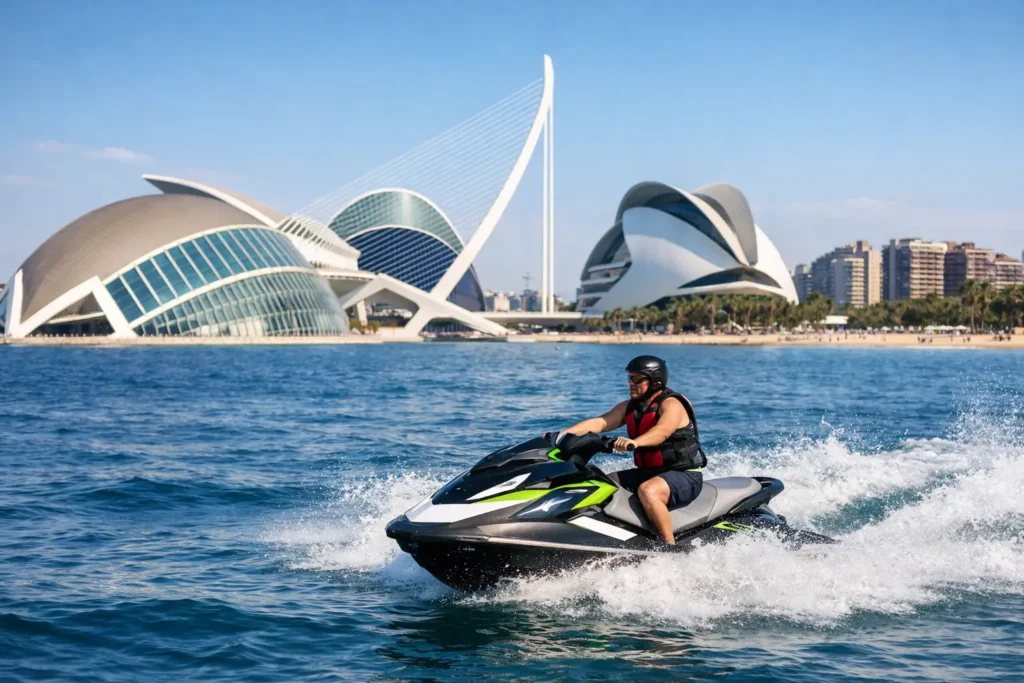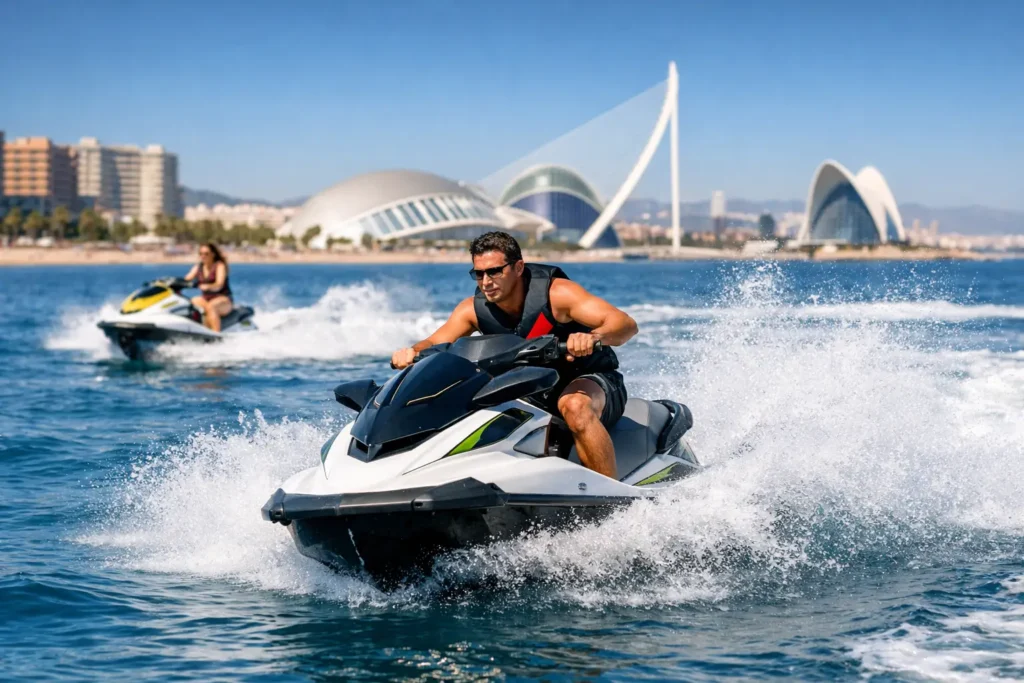
You can tell a lot about a jetski operator before the engine even starts. Clean marina set-up. Clear briefing. Well-maintained machines. Staff who are relaxed but sharp. That is where the real answer to is jet skiing safe begins – not with the speed, but with the standards behind the ride.
Jet skiing has a reputation for adrenaline, and that part is deserved. Fast acceleration, open water and sharp turns make it exciting in a way few holiday activities can match. But excitement and safety are not opposites. When the experience is properly run, with the right equipment, weather checks and rider guidance, jet skiing is a controlled and accessible activity for many first-time riders.
Is jet skiing safe for beginners?
Yes, usually it is. Most people trying a jetski for the first time are not experienced water sports riders. They are couples on a city break, friends celebrating something, or travellers who want one standout moment on the water. A professional operator expects that. The experience should be designed around making beginners feel confident quickly.
A good safety briefing matters more than people think. You need to understand how the throttle responds, how to steer correctly, what to do when slowing down, and how much space to keep from other riders. These basics are simple, but they are essential. Once they are explained clearly, the jetski feels far less intimidating.
Modern machines also help. Stable, well-maintained jetskis are built to be powerful without feeling unpredictable. That does not mean they are toys. It means they are engineered for recreational use, and when they are serviced properly, they offer a level of control that surprises many first-timers.
The biggest issue for beginners is usually overconfidence, not lack of ability. The moment people relax, they sometimes forget that water conditions change quickly. That is why the best experiences balance freedom with structure. You want the thrill, but you also want clear rules.
What actually makes jet skiing safe or unsafe?
The short answer is this: operator standards, sea conditions and rider behaviour.
If those three elements are handled well, the risk drops significantly. If they are ignored, the risk climbs fast. Jet skiing is not automatically dangerous, but it is not something to treat casually either.
Operator standards come first. A reputable provider checks weather and water conditions before departure, explains the riding area clearly, provides buoyancy aids, maintains the jetskis to a high standard and supervises the session properly. If the set-up feels rushed, vague or sloppy, that is a warning sign.
Sea conditions are the next big factor. Flat or lightly choppy water is very different from rough sea, strong wind or heavy marine traffic. Even confident riders can find a session harder than expected if conditions are poor. That is why a professional team may delay or adjust a ride. It is not about killing the mood. It is about knowing when the sea is working with you and when it is not.
Rider behaviour is the final piece. Most problems come from simple mistakes: following too closely, turning aggressively without enough space, trying to show off, or riding faster than your comfort level. A jetski is easy to enjoy when you respect it. It becomes risky when people treat it like a stunt machine.
Why accidents happen
When people ask is jet skiing safe, they are often really asking about accidents. Fair question. The truth is that incidents usually do not happen because jet skiing is inherently out of control. They happen because someone skips the basics.
Speed is an obvious factor, but not the only one. Poor judgement plays a bigger role. Riders may underestimate stopping distance on water, misread another person’s path, or panic and react the wrong way. Fatigue can matter too, especially in hot weather when people are dehydrated or distracted.
There is also a difference between supervised recreational sessions and unmanaged riding. Guided or structured experiences tend to be safer because someone is setting the pace, defining the area and monitoring the group. Unrestricted riding, especially in busy coastal areas, leaves more room for poor decisions.
That is one reason first-timers often feel more comfortable with a professional set-up from a marina rather than an improvised rental arrangement. The experience feels smoother, but more importantly, it feels controlled.
How to make a jetski ride safer
If you are choosing a jetski experience on holiday, safety starts before you book. Look for signs of professionalism, not just a low headline price. The cheapest option is not good value if the equipment is tired, the briefing is rushed and the supervision is weak.
You should expect buoyancy aids, a clear pre-ride explanation and a team that gives direct, confident instructions. Ask yourself whether the staff seem experienced or whether they are just trying to move people through quickly. The difference is obvious.
What you wear matters as well. Proper swimwear, secure eyewear if needed, and nothing loose that could interfere with movement. Sun exposure also catches people out. If you are squinting, overheated and uncomfortable, your focus drops.
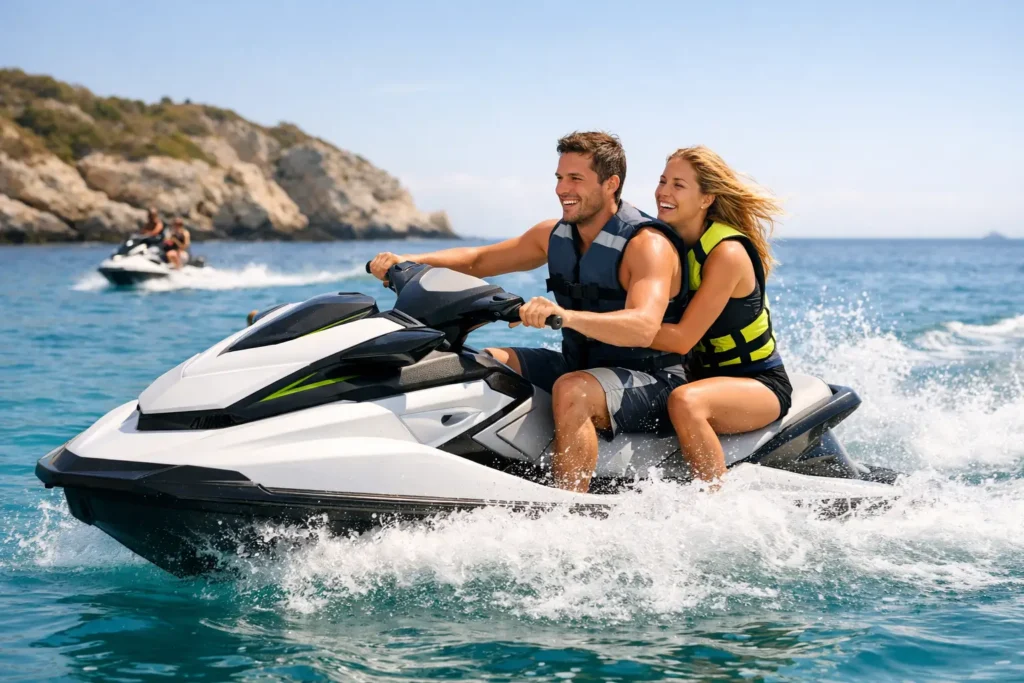
Once on the water, ride within your limits. You do not need to prove anything. The best rides are the ones where you build confidence, enjoy the scenery and let the speed come naturally. If you are riding as a pair, communicate before setting off. Agree who is driving, when you might switch, and how the passenger should hold on during turns.
Distance is your friend on the water. Leave room between jetskis. Take wider turns. Avoid sudden moves near other riders. These habits are not boring. They are what allow everyone to enjoy the session properly.
Is jet skiing safe in Valencia?
It can be, and the setting helps when the experience is run well. Valencia offers direct access to the Mediterranean, which is a major part of the appeal. You get open water, sunshine and that instant holiday feeling the moment you leave the marina.
But location only works in your favour when the operator reads conditions properly and builds the experience around them. Mediterranean water can be stunning, but it is still open sea. Wind, chop and traffic levels all matter. A premium experience is not just about fast machines and nice photos. It is about knowing when conditions are right, how to brief for them and how to keep the ride enjoyable for mixed ability levels.
That is why professionally maintained jetskis and a strong marina operation matter so much. They remove friction, yes, but they also remove avoidable risk. For travellers who want adrenaline without hassle, that balance is exactly what makes the activity feel worth booking.
Who should be more cautious?
Jet skiing is suitable for many adults, but it is not one-size-fits-all. If you are pregnant, have a back injury, suffer from certain heart conditions or are not comfortable in open water environments, it is worth asking questions before booking. Even if you are not doing anything extreme, the movement can be physically demanding.
Nervous first-timers can still have a brilliant time, but honesty helps. Tell the staff if you are unsure. A good team will adapt the guidance, explain things clearly and help you settle into the ride at your own pace. Confidence grows fast when you do not feel pressured.
The same goes for groups. Sometimes one person wants full-throttle excitement while someone else just wants a scenic ride and great photos. Neither approach is wrong. The key is choosing an experience that can handle different energy levels without compromising safety.
So, is jet skiing safe?
Yes – for most people, jet skiing is safe when it is operated professionally, ridden responsibly and matched to the right conditions. That is the real answer. Not a flat yes, not a dramatic no. It depends on how seriously the basics are taken.
The best jet ski experiences feel effortless from the outside because the safety work has already been done behind the scenes. The machines are ready. The route is considered. The team is in control. You get the freedom, the speed and the photos, but with structure underneath it all.
If you choose well, listen properly and respect the water, jet skiing delivers what people want from a standout day on the coast – a rush of adrenaline, a premium feel and the confidence to enjoy every minute of it. At JetskiXperience, that is exactly the standard serious riders and first-timers alike should expect.